

A B2B site speaks to several people
A B2B website should offer a shared value path and layers of detail for each decision-maker, backed by evidence people can use to defend the purchase internally.
Supported byGOV.UK: user research
Why hiding information weakens the internal champion
Content focused only on end users omits security, implementation, return, and risk, questions that stall complex deals.
How to create paths for the buying committee
Map questions by role and stage. Distribute answers across solution pages, technical resources, cases, and shareable content.
Implementation checklist
- Identify users, influencers, buyers, and approvers.
- Define one shared promise and questions by role.
- Build solution pages around problems, not the org chart.
- Add cases, integration, security, and process detail.
- Design calls to action for research, comparison, and conversation.
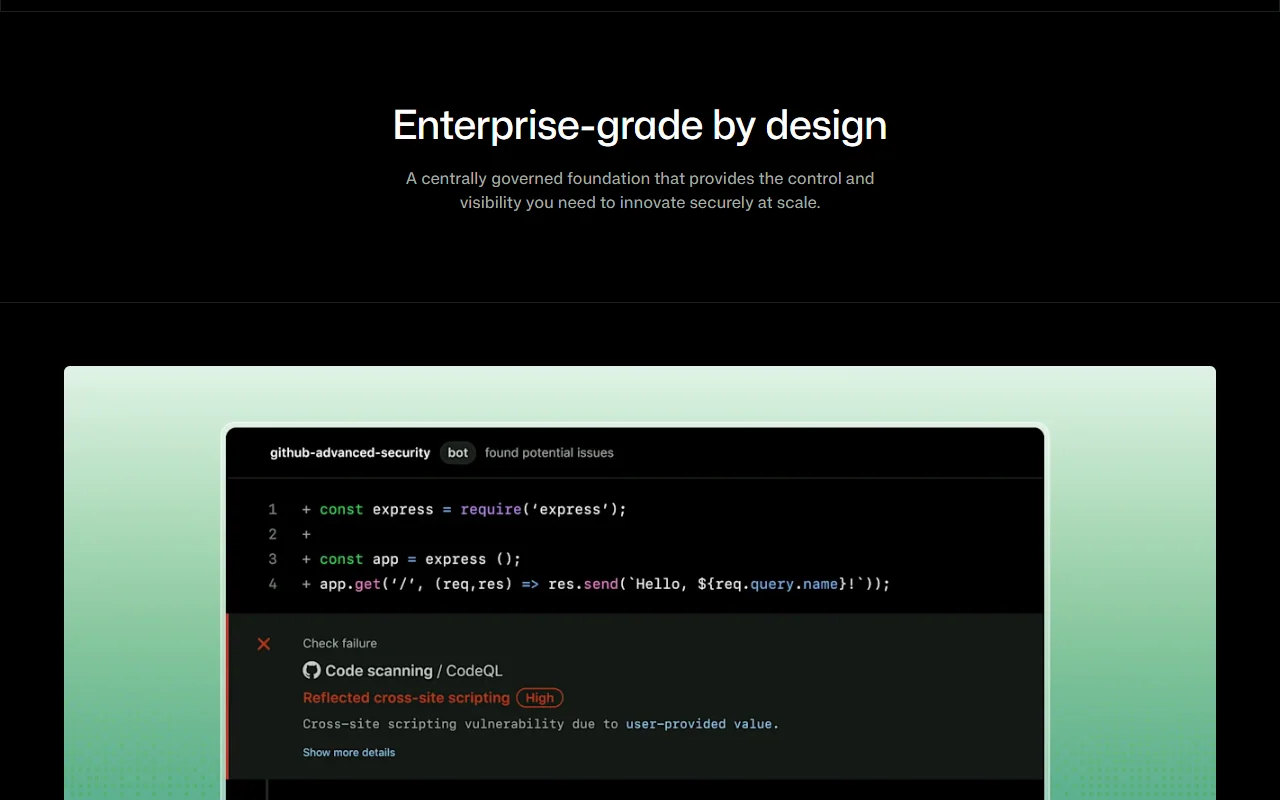
The technical evaluation path needs security details alongside the commercial promise.
Source · GitHub
Supported byNielsen Norman Group: journey mapping fundamentals
Metrics for long sales cycles
Measure engaged accounts, consumption by role, shared resources, qualified forms, assisted opportunities, and sales cycle.
Design for the buying committee
In B2B, the person who discovers a solution may neither approve nor use it. Create paths for technical, financial, and operational evaluation without repeating one pitch.
Publish enough detail for an internal champion to defend the purchase. Hiding all information behind a call weakens that case.
Connect content to specific stages and objections. A large library with no routes forces visitors to do the editorial work.
Buying committee questions
- Does it solve our specific case?
- What risk does it introduce?
- How is it implemented?
- What evidence supports the cost?
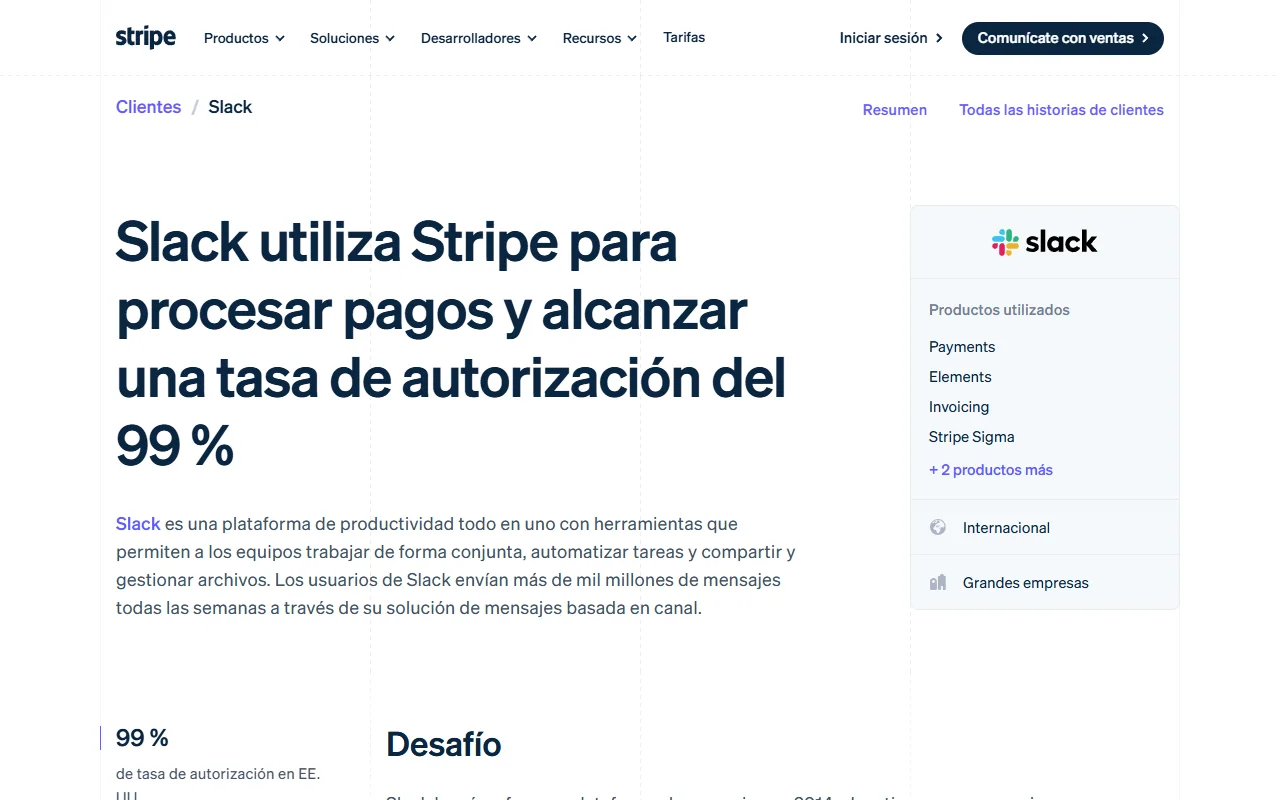
A verifiable case study helps the internal champion support the buying decision.
Source · Stripe
Supported byStanford: web credibility guidelines
Quick execution map
| Element | What to review | Quality signal |
|---|---|---|
| Intent | A B2B website should offer a shared value path and layers of detail for each decision-maker, backed by evidence people can use to defend the purchase internally. | The answer is clear within seconds. |
| Implementation | Map questions by role and stage. Distribute answers across solution pages, technical resources, cases, and shareable content. | There is one concrete and assignable action. |
| Measurement | Measure engaged accounts, consumption by role, shared resources, qualified forms, assisted opportunities, and sales cycle. | The data should change a decision. A report with no action adds work. |
Frequently asked questions
What does B2B website strategy mean in practice?
A B2B website should offer a shared value path and layers of detail for each decision-maker, backed by evidence people can use to defend the purchase internally.
What is a sensible first step for B2B website strategy?
Identify users, influencers, buyers, and approvers. Then continue with this action: Define one shared promise and questions by role.
Which problem should B2B website strategy prevent?
Content focused only on end users omits security, implementation, return, and risk, questions that stall complex deals.
How do you measure progress with B2B website strategy?
Measure engaged accounts, consumption by role, shared resources, qualified forms, assisted opportunities, and sales cycle.