Reputation reveals operations

Digital reputation management means monitoring mentions, responding with judgment, documenting learning, and fixing real friction.
Why replying without fixing falls short
Ignoring reviews or replying defensively makes problems visible that could have been solved with process.
Supported bythe rule prohibiting fake or deceptive reviews
How to collect, classify, and address signals

Create protocols by comment type and define when marketing, support, sales, or leadership should respond.
Implementation checklist
- Monitor reviews, social, forms, and chat.
- Classify comments by urgency and topic.
- Reply with human tone and clear facts.
- Escalate sensitive complaints to owners.
- Turn frequent questions into content improvements.
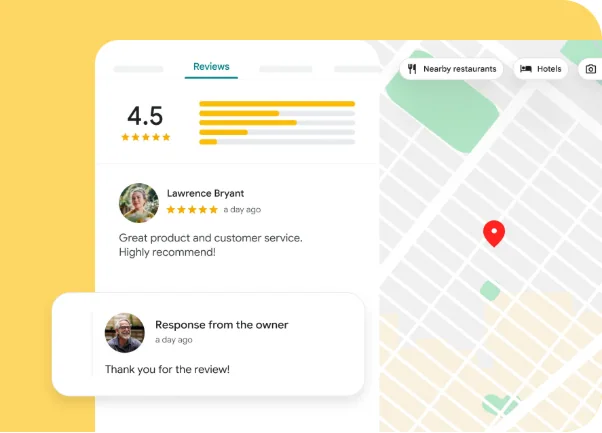
The public reply is also part of the experience.
Source · Google Business Profile
Supported byreading, responding to, and reporting Google reviews
Measures for trust and repeat business
Measure response time, sentiment, recurring themes, new reviews, resolution, and resulting changes.
Replying to reviews does not replace fixing the pattern
A public response can acknowledge, clarify, and offer a resolution channel. It should not debate sensitive details or turn the customer into an opponent. Write for the affected person and for everyone who will read the exchange later.
Classify themes alongside star ratings. Several reviews mentioning delay, packaging, or communication reveal an operating failure even when the average rating stays high. Share those patterns with the team able to change the process.
Define response times and escalation levels. A serious accusation, safety risk, or personal data needs a different route from a minor complaint. Templates can help start, but the final response should reflect what happened.
Cycle for a difficult review
- Verify the case and protect data before replying.
- Acknowledge the experience without accepting unconfirmed facts.
- Offer a concrete action and an appropriate channel.
- Record the cause and confirm whether the process changed.
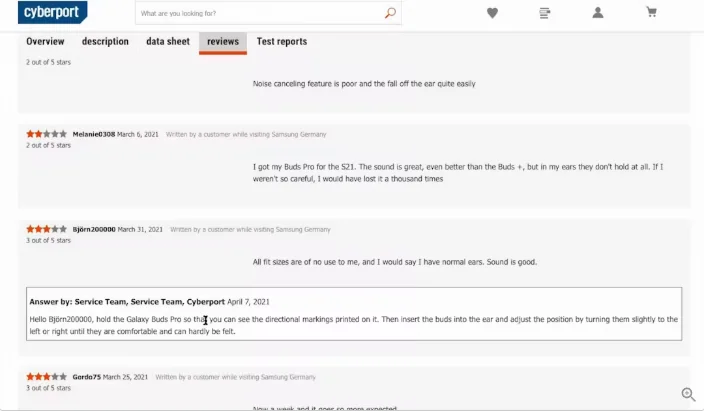
A specific reply shows that a support path exists.
Source · Baymard Institute
Supported byinternational requirements for collecting and moderating reviews
Quick execution map
| Element | What to review | Quality signal |
|---|---|---|
| Intent | Digital reputation management means monitoring mentions, responding with judgment, documenting learning, and fixing real friction. | The answer is clear within seconds. |
| Implementation | Create protocols by comment type and define when marketing, support, sales, or leadership should respond. | There is one concrete and assignable action. |
| Measurement | Measure response time, sentiment, recurring themes, new reviews, resolution, and resulting changes. | The data should change a decision. A report with no action adds work. |
Frequently asked questions
What does digital reputation management mean in practice?
Digital reputation management means monitoring mentions, responding with judgment, documenting learning, and fixing real friction.
What is a sensible first step for digital reputation management?
Monitor reviews, social, forms, and chat. Then continue with this action: Classify comments by urgency and topic.
Which problem should digital reputation management prevent?
Ignoring reviews or replying defensively makes problems visible that could have been solved with process.
How do you measure progress with digital reputation management?
Measure response time, sentiment, recurring themes, new reviews, resolution, and resulting changes.