Creative operations for time-constrained teams

Creative ops organizes briefs, roles, assets, approvals, dates, and learning so content ships with less friction.
Where work gets lost between request and approval
Small teams often lose time searching for files, waiting on feedback, or reworking assets because context is missing.
How to organize briefs, versions, and capacity

Start with a minimum workflow visible to everyone: request, brief, production, review, publish, and learn.
Implementation checklist
- Create brief templates and publishing checklists.
- Centralize assets, logos, fonts, and examples.
- Define owners and approval timing.
- Separate ideas, production, and urgent fixes.
- Review every cycle to remove friction.
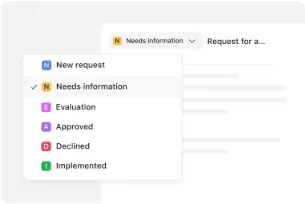
Status makes missing information or approval visible.
Source · Asana
Supported bya production flow from idea through learninga living document aligning problem, scope, and outcomes
Metrics for flow and quality
Measure production time, revision rounds, pieces shipped, rework, calendar compliance, and performance.
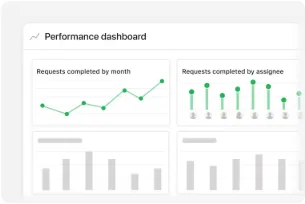
Review volume and timing to locate bottlenecks.
Source · Asana
The process should preserve energy for decisions
Creative operations does not turn ideas into identical tickets. It removes repeated work so the team can spend attention on concept, judgment, and execution. Searching for files, interpreting an empty brief, or waiting for undated approval is not creative work.
Define a minimum flow and leave paths for real emergencies. If everything can skip the process, it does not exist. If nothing can, the system becomes an obstacle. Record who can declare urgency and which work will move as a consequence.
Review revision rounds by cause. Late feedback, ambiguous goals, and absent approvers need different solutions. Counting revisions without understanding why only adds pressure to the team receiving the problem.
Operational base for a small team
- A brief with goal, audience, deliverable, and owner.
- An asset library with clear versions and permissions.
- Review windows and one person who decides.
- Closure with outcome, final files, and learning.
Supported byexamples of standardized workflows for multiple deliverables
Quick execution map
| Element | What to review | Quality signal |
|---|---|---|
| Intent | Creative ops organizes briefs, roles, assets, approvals, dates, and learning so content ships with less friction. | The answer is clear within seconds. |
| Implementation | Start with a minimum workflow visible to everyone: request, brief, production, review, publish, and learn. | There is one concrete and assignable action. |
| Measurement | Measure production time, revision rounds, pieces shipped, rework, calendar compliance, and performance. | The data should change a decision. A report with no action adds work. |
Frequently asked questions
What does creative ops mean in practice?
Creative ops organizes briefs, roles, assets, approvals, dates, and learning so content ships with less friction.
What is a sensible first step for creative ops?
Create brief templates and publishing checklists. Then continue with this action: Centralize assets, logos, fonts, and examples.
Which problem should creative ops prevent?
Small teams often lose time searching for files, waiting on feedback, or reworking assets because context is missing.
How do you measure progress with creative ops?
Measure production time, revision rounds, pieces shipped, rework, calendar compliance, and performance.