

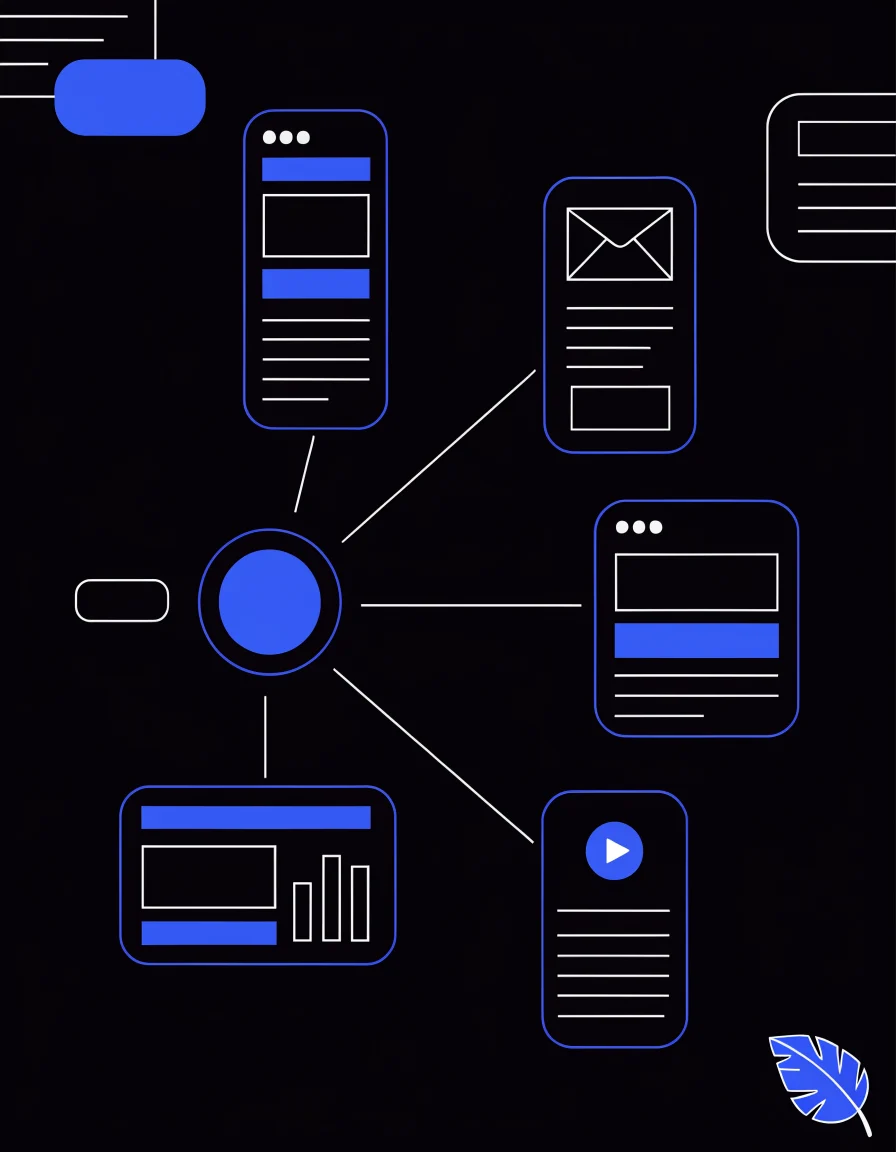
Repurposing starts with an idea worth keeping
A repurposing system turns one base asset into derivative formats with the right angle, length, and CTA for each channel.
The cost of copying the same asset
Creating everything from scratch exhausts the team. Intentional repurposing increases consistency and reduces editorial waste.
Supported bythe difference between adapting and reposting without added value
How to adapt format, context, and promise
Start with a pillar idea and define versions for search, email, social, sales, and support.
Implementation checklist
- Choose a durable base asset.
- Extract questions, lists, examples, and objections.
- Adapt format and language by channel.
- Change CTA according to user stage.
- Measure which derivative creates the best signals.
Supported byadapting and distributing an edition across channels
Which versions deserve maintenance
Measure useful reach, clicks, replies, assisted leads, production savings, and topics worth a second pass.
Repurposing requires changing the unit of value
Copying an article into ten formats does not create ten useful pieces. Each channel has a different task. An email may open a question, a video may demonstrate a step, and a social post may invite discussion. The central idea stays while rhythm, context, and action change.
Start with a piece containing original evidence. An interview, analysis, or case offers substantial fragments. When the original is generic, repurposing only multiplies the same emptiness.
Record where each version came from and what it learned. A question received on video can improve the article. A sales objection can become a section. Learning should also travel from smaller formats back to the original piece.
Rules for adapting without duplicating
- Define one task and audience for each channel.
- Rewrite the opening for the consumption context.
- Preserve facts and links to the complete source.
- Return questions and results to the original content.
Supported byhow to consolidate duplicate versions with canonical URLs
Quick execution map
| Element | What to review | Quality signal |
|---|---|---|
| Intent | A repurposing system turns one base asset into derivative formats with the right angle, length, and CTA for each channel. | The answer is clear within seconds. |
| Implementation | Start with a pillar idea and define versions for search, email, social, sales, and support. | There is one concrete and assignable action. |
| Measurement | Measure useful reach, clicks, replies, assisted leads, production savings, and topics worth a second pass. | The data should change a decision. A report with no action adds work. |
Frequently asked questions
What does content repurposing mean in practice?
A repurposing system turns one base asset into derivative formats with the right angle, length, and CTA for each channel.
What is a sensible first step for content repurposing?
Choose a durable base asset. Then continue with this action: Extract questions, lists, examples, and objections.
Which problem should content repurposing prevent?
Creating everything from scratch exhausts the team. Intentional repurposing increases consistency and reduces editorial waste.
How do you measure progress with content repurposing?
Measure useful reach, clicks, replies, assisted leads, production savings, and topics worth a second pass.
Recommended content
Keep reading
 SEO content7 minSEO content calendar: how to publish with intent instead of anxietyA content calendar is not a list of dates. It is a way to decide which question is worth answering now.
 Newsletter6 minNewsletter strategy for brands: staying present without filling inboxesA newsletter works when people understand what they will receive and why it is worth opening.
 Digital culture7 minDigital culture and brands: how to read signals before creating contentDigital culture is not a list of trends. It is the context that explains why an audience pays attention, trusts, and participates.