
Digital culture shows up in decisions

A brand does not live inside a presentation. It lives across conversations, memes, searches, reviews, chats, videos, communities, and quick decisions. Digital culture is the set of behaviors that explains what gets shared, ignored, and trusted.
Reading digital culture does not mean copying trends. It means understanding tensions, habits, language, references, and moments where the brand can add something useful, entertaining, or extremely clear.
Supported bydigital transformation rewires how an organization operates to create value
Where change gets stuck

A cultural signal is a meaningful pattern: a repeated question, a common objection, a format people adopt, a visible frustration, or a shift in how people compare options.
Brands that work from signals can produce less content with more clarity. Instead of publishing from anxiety, they publish to answer real intent.
Where to look for signals
- Frequent searches on Google, YouTube, and TikTok.
- Customer comments from sales, support, and WhatsApp.
- Objections from sales calls and direct messages.
- Communities where the audience compares solutions.
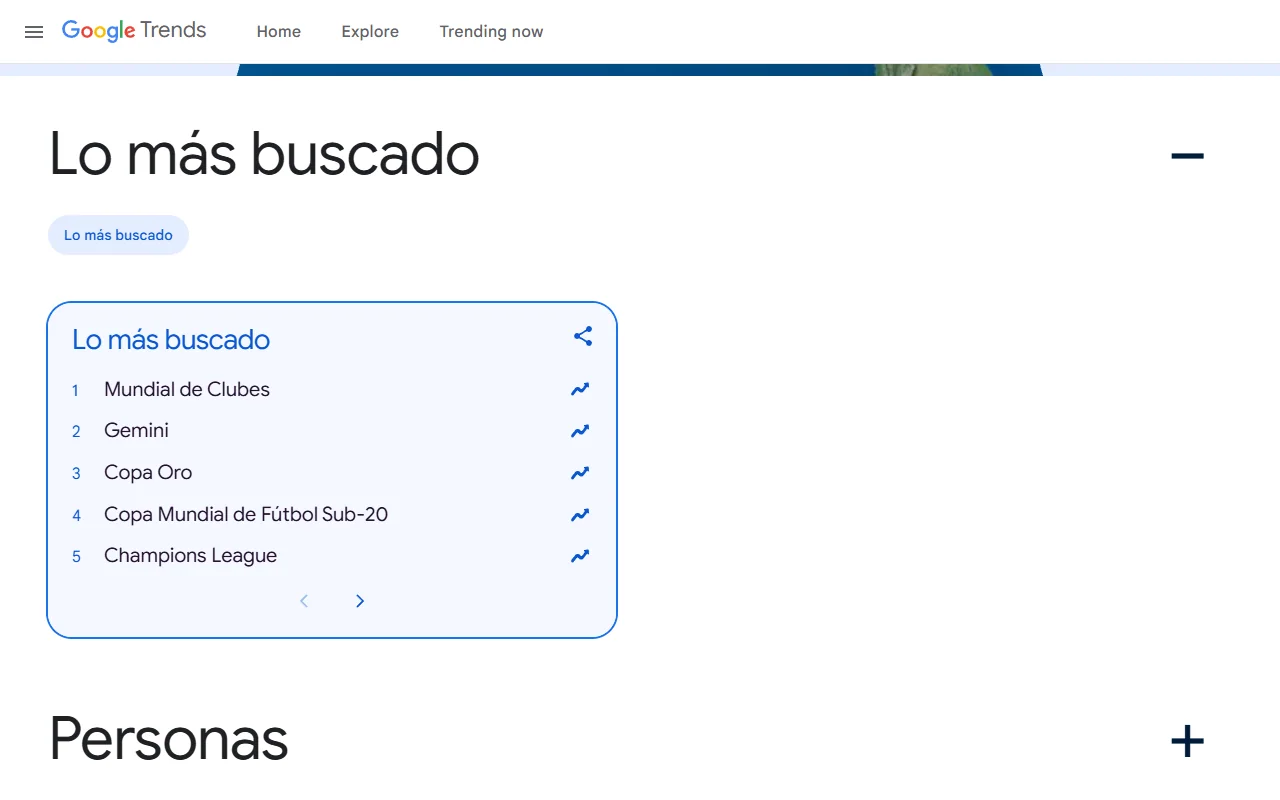
Country lists provide context; a trend still needs interpretation.
Supported bya digital culture combines collaboration, data-informed decisions, and customer focus
Habits that make technology useful
Every signal should pass through a strategic question: does this reveal a need, barrier, aspiration, or emerging category? If yes, it can become content, an offer, an experience improvement, or brand narrative.
Digital culture also shapes tone. A brand can be technical, warm, aspirational, or direct, but it needs to sound like it understands the context, not like it translated a template.
How to tell whether the team progressed
AI can accelerate classification, summarization, and pattern detection, but it does not replace judgment. A model can group comments; the team must decide what those comments mean for the brand and what to do next.
The competitive advantage is combining AI-assisted analysis with human interpretation: less isolated intuition, more system for spotting opportunities before they become obvious.
Listening for signals does not mean chasing every trend
A trend deserves attention when it changes an expectation, a behavior, or the audience's language. A popular sound that lasts one week may help distribution, but it rarely justifies changing positioning. Confusing temporary reach with cultural change produces nervous, forgettable brands.
The team needs a dated signal log with a source and a possible impact. A question that appears in support for three months carries more weight than a viral screenshot unrelated to purchase. Recording evidence also keeps the most enthusiastic person from winning every discussion.
Decide in advance what each type of signal can change. Some call for a quick social response. Others deserve a guide, a product adjustment, or no action. Discipline means being able to explain why one signal changed the plan and another was allowed to pass.
A filter for cultural signals
- Check whether it appears across more than one channel or source.
- Connect it to a customer expectation or decision.
- Estimate how long it may last and the cost of responding.
- Record the decision and review it against results.
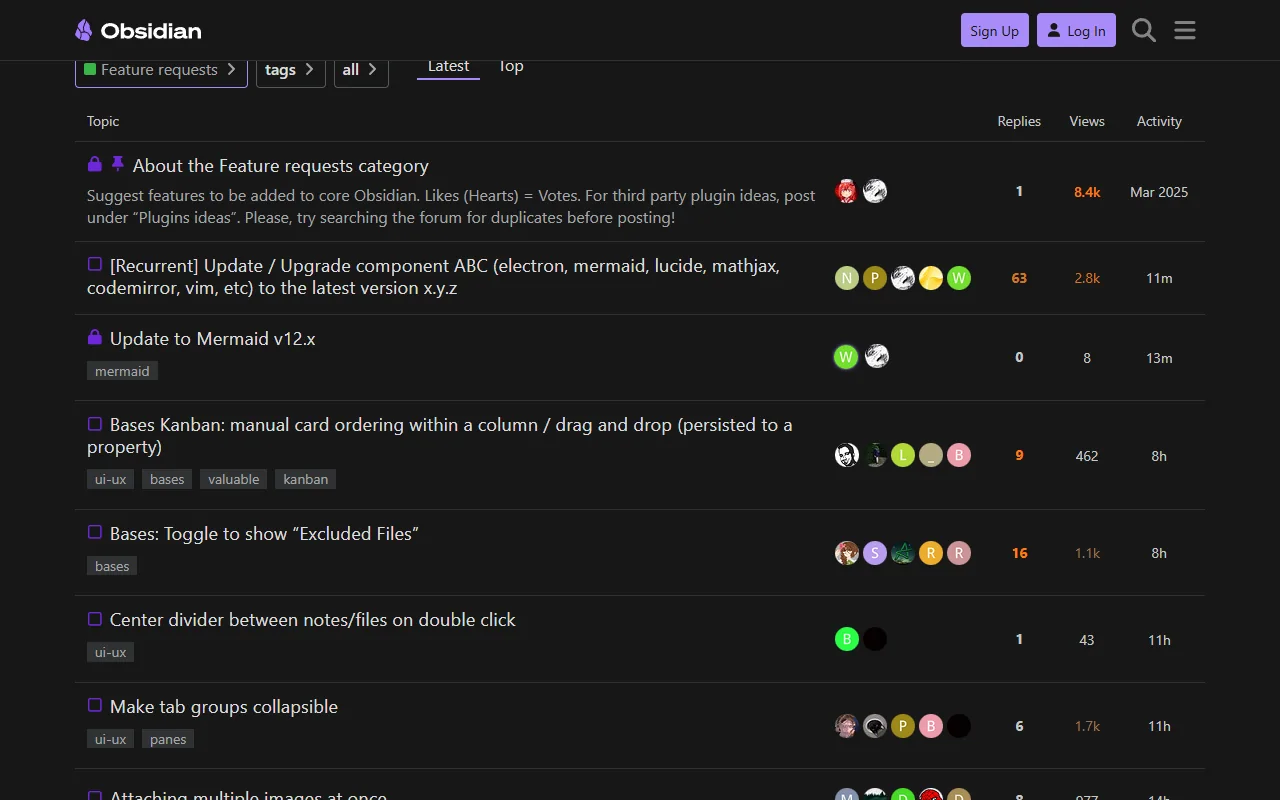
Topics, replies and views help trace recurring needs.
Source · Obsidian · Feature requests
Supported byactions for building a people-centric digital culture
Signal map for brand content
| Signal | What it reveals | How to act |
|---|---|---|
| Repeated question | Interest or confusion | Create a guide, FAQ, or landing page |
| Sales objection | Purchase friction | Add proof, a case, or comparison |
| Emerging format | New consumption habit | Adapt the idea without copying the trend |
| Community language | Trust codes | Adjust tone and examples |
| Search shift | New intent | Optimize content and SEO structure |
Frequently asked questions
What does digital culture mean for a brand?
It is the context of behaviors, language, platforms, and expectations that influence how an audience discovers, evaluates, and shares brands online.
Should a brand join every trend?
No. A brand should participate only when the trend connects to its audience, point of view, and offer. Copying trends without judgment usually weakens identity.
How do you measure cultural relevance?
Useful signals include qualitative engagement, helpful comments, brand searches, mentions, saves, response rate, and conversions from contextual content.
Can AI help with social listening?
Yes. It can summarize conversations and detect patterns, but it needs human review to avoid shallow or out-of-context conclusions.