What digital branding should solve

Digital branding is the system that turns a company promise into visible, repeatable, measurable signals. It includes visual identity, voice, website, content, ads, email, CRM, WhatsApp, and the experience someone has when they try to buy or ask for help.
The practical challenge is not choosing between design and performance. It is connecting both: the brand should be recognizable, the message should be easy to understand, and the digital journey should reduce friction until conversion.
A strong digital brand answers three questions
- Why this brand matters to this audience now.
- What people should feel, understand, and do in every channel.
- How the experience stays consistent as formats change.
The difference between presence and brand

Many brands launch a logo, palette, and a few templates without connecting those decisions to their website, ads, CRM, or customer support. The result is a brand that looks polished but operates in fragments.
A digital branding strategy that converts starts with architecture: positioning, promise, offer, core messages, trust proof, conversion paths, and content rules. Without that, every post and campaign starts from zero.
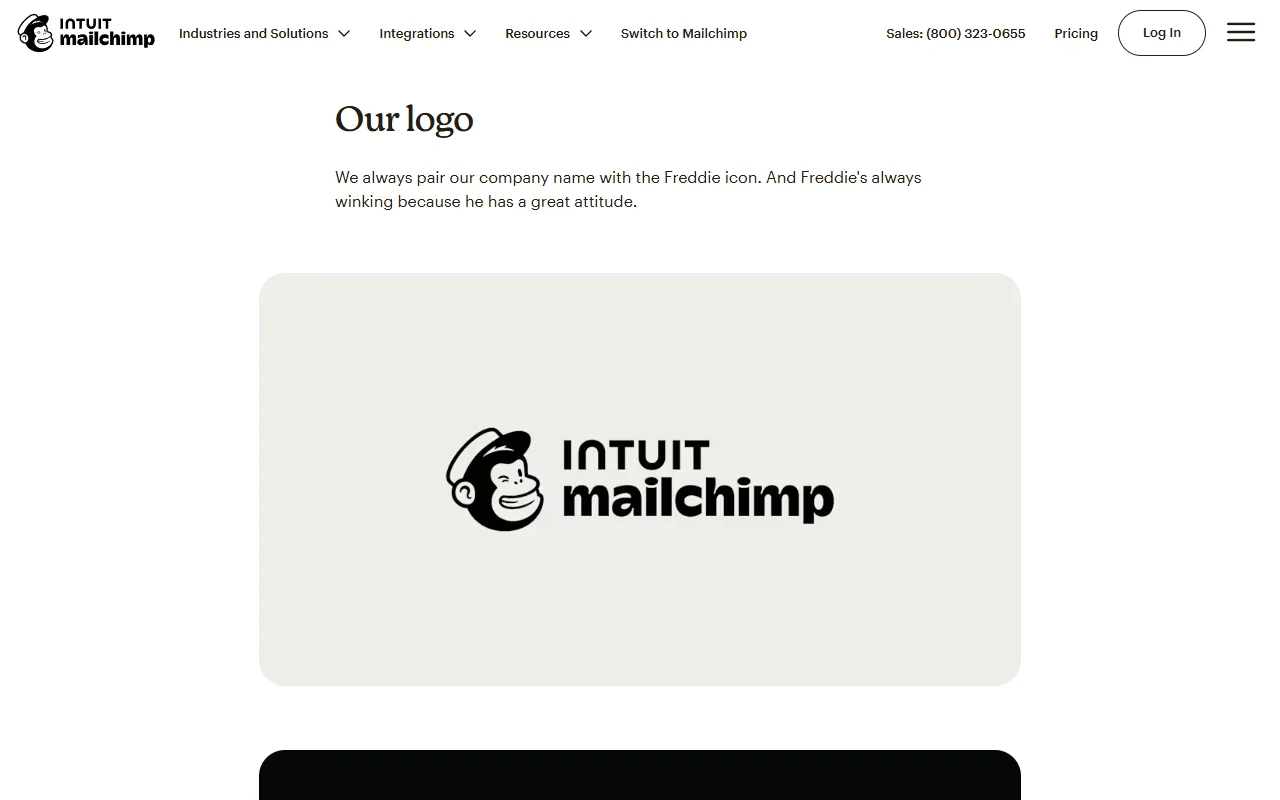
Rules for combining assets help repeat a recognizable identity.
Source · Mailchimp · Brand Assets
Supported byan international framework for evaluating brands
How to align digital touchpoints
A brand ready to sell does not push the same message to everyone. It organizes signals by intent: discovery, comparison, decision, purchase, support, and repeat purchase. In each stage, branding should lower uncertainty.
That requires connecting strategy to tangible assets: landing pages, service pages, email sequences, WhatsApp flows, short videos, testimonials, forms, and automations. Identity does not live separately; it lives inside the commercial flow.
Minimum system pieces
- A value proposition written in customer language.
- A visual kit that works across web, social, decks, and ads.
- Funnel-stage messaging to avoid generic content.
- Measurement for conversions, conversations, and lead quality.
Supported byorganization signals Google can interpret
Signals that the brand is becoming clearer
Google recommends useful, reliable, people-first content. That changes how brands should publish: repeating search terms is not enough; brands need clear answers, real experience, and information that is easy for humans and search systems to understand.
In a market where AI accelerates content production, point of view is the differentiator. The winning brand is not the one publishing the most, but the one with a recognizable voice, real proof, and a consistent experience after the click.
A digital brand is tested in specific moments
Identity matters, but conversion happens in less glamorous details. A plan name, a fee explanation, a form state, and the email sent after payment all build the brand. When each piece makes a different promise, the logo cannot compensate.
Run a simple test. Choose one high-value task, such as requesting a quote, booking, or buying, and follow it from an ad through confirmation. Note every tone shift, missing fact, and dead end. That journey reveals more about brand health than an isolated moodboard.
A valid improvement should remove an observable doubt. It may clarify what the service includes, when the team will reply, or what happens next. If a change only makes the screen look newer, there is still no evidence that it helps the customer or the business.
A four-moment consistency test
- Compare the ad promise with the destination headline.
- Check whether price, scope, and terms use the same language.
- Complete the flow on mobile without help from the team.
- Read the confirmation and verify that it explains what comes next.
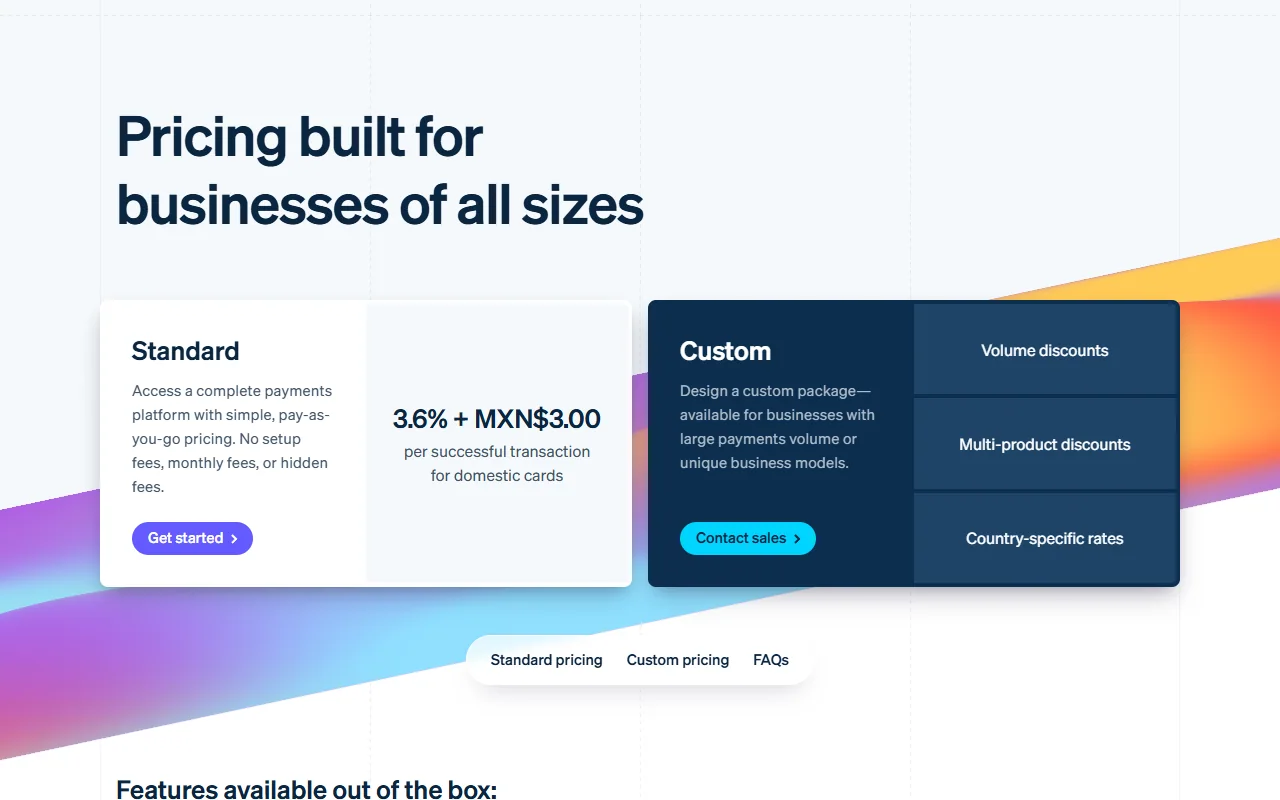
Pricing and the next step also communicate the brand promise.
Source · Stripe · Pricing
Supported bycriteria for trademark distinctiveness
Digital branding checklist
| Element | What it solves | Useful metric |
|---|---|---|
| Positioning | Clear difference and specific promise | Brand recall and response rate |
| Visual identity | Recognition in any format | Asset consistency and correct usage |
| Website | Fast understanding of offer and proof | Conversion, scroll, and contact clicks |
| Content | Authority and sustained demand | Organic traffic, saves, leads |
| Automation | Follow-up without friction | Response time and booked meetings |
Frequently asked questions
What is the difference between digital branding and digital marketing?
Digital branding defines how the brand is perceived, understood, and remembered online. Digital marketing activates campaigns, content, and media to create demand. They work best when they share positioning, messaging, and measurement.
When should a brand update its digital branding?
Update it when the brand no longer explains what it sells, the website is not converting, each channel communicates differently, or the team needs to scale content, sales, and support with more consistency.
Does digital branding help SEO?
Yes, when it clarifies the value proposition, improves the reading experience, creates useful content, and makes the brand more trustworthy. It does not replace technical SEO, but it gives content a clearer direction.
Does a small business need a full digital brand system?
Not all at once. It can start with positioning, messaging, a clear website, consistent social profiles, and a simple contact flow. What matters is that every piece answers to the same system.