
What a positioning statement should decide

A positioning statement summarizes audience, problem, promise, difference, and proof in one operational sentence.
Why broad statements do not help sales

Without positioning, every page, ad, or pitch improvises. That makes the brand harder to recognize and choose.
Supported bywhy a distinctive mark is easier to recognize
How to write and test the statement
Write the sentence for internal use first, then translate it into public copy with natural language.
Implementation checklist
- Define whom you serve precisely.
- Name the problem you actually want to solve.
- Explain the result you help create.
- Differentiate with a provable criterion.
- Validate the statement against real sales and customers.

The proposition names the category and its differentiating criterion.
Source · Plausible · Sitio oficial
Supported bymarket research and competitive analysis
Signals of useful positioning
Evaluate message consistency, clarity in sales calls, better ad responses, and less friction on the website.
Positioning also decides whom to turn away
A useful statement does not try to please the entire market. It names an audience, a situation, and a difference the company can sustain. In doing so, it leaves out distracting projects, messages, and features. That sacrifice is uncomfortable, but it makes the offer recognizable.
Test the language inside real decisions. Does it help choose a portfolio case? Does it clarify which lead is a poor fit? Does it change the homepage order? If the statement only appears in a presentation, it is not governing the brand yet.
Avoid promises that depend on unsupported adjectives. Better, more human, and innovative need a mechanism and evidence. Explaining how the company works and which result it can prove may sound less shiny, but it is far more credible.
Four questions that pressure-test the statement
- Could a direct competitor sign it without changing a word?
- Can the customer understand the outcome and use situation?
- Can the company show proof of the difference?
- Does it help reject at least one opportunity that is a poor fit?
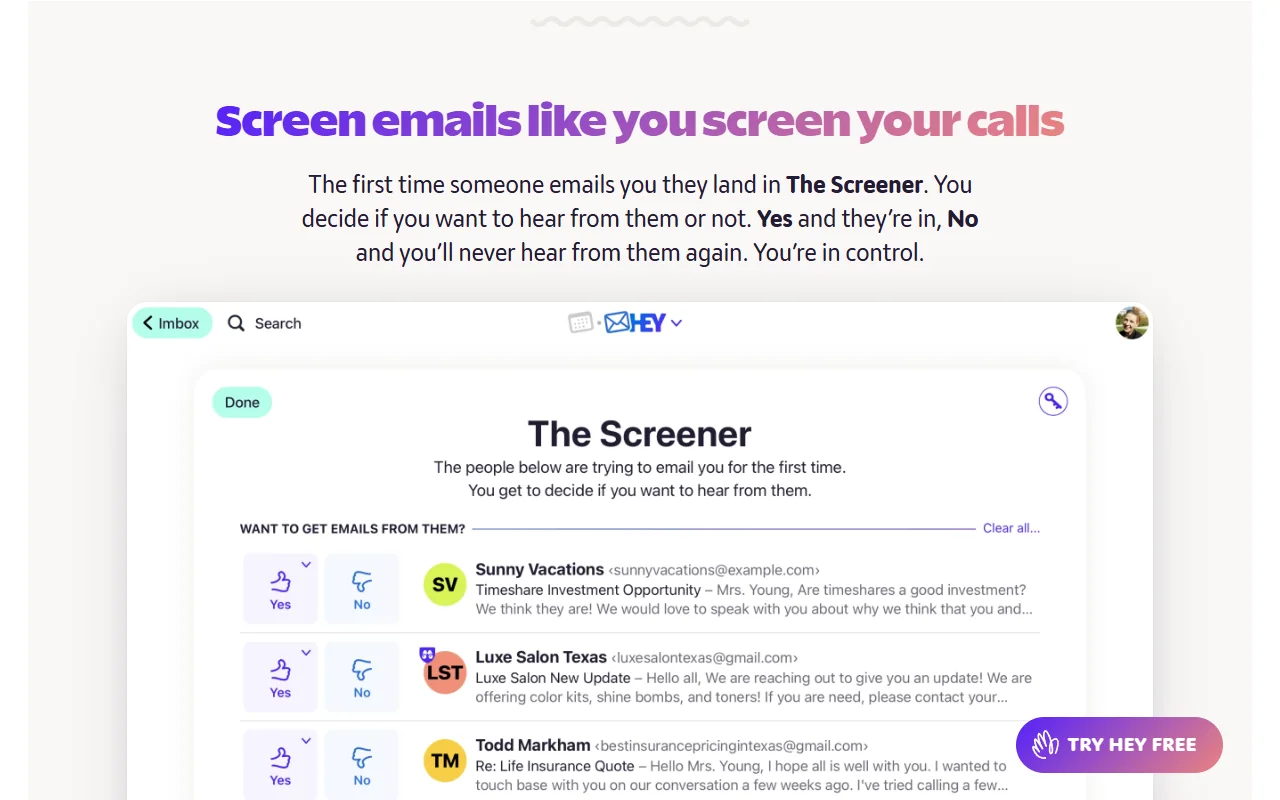
A visible mechanism makes a product promise concrete.
Source · HEY · Sitio oficial
Supported byprinciples for evaluating brand outcomes
Quick execution map
| Element | What to review | Quality signal |
|---|---|---|
| Intent | A positioning statement summarizes audience, problem, promise, difference, and proof in one operational sentence. | The answer is clear within seconds. |
| Implementation | Write the sentence for internal use first, then translate it into public copy with natural language. | There is one concrete and assignable action. |
| Measurement | Evaluate message consistency, clarity in sales calls, better ad responses, and less friction on the website. | The data should change a decision. A report with no action adds work. |
Frequently asked questions
What does brand positioning statement mean in practice?
A positioning statement summarizes audience, problem, promise, difference, and proof in one operational sentence.
What is a sensible first step for brand positioning statement?
Define whom you serve precisely. Then continue with this action: Name the problem you actually want to solve.
Which problem should brand positioning statement prevent?
Without positioning, every page, ad, or pitch improvises. That makes the brand harder to recognize and choose.
How do you measure progress with brand positioning statement?
Evaluate message consistency, clarity in sales calls, better ad responses, and less friction on the website.