The real job of a landing page

Landing page copy converts when it answers what it is, who it is for, why to trust it, and what to do next.
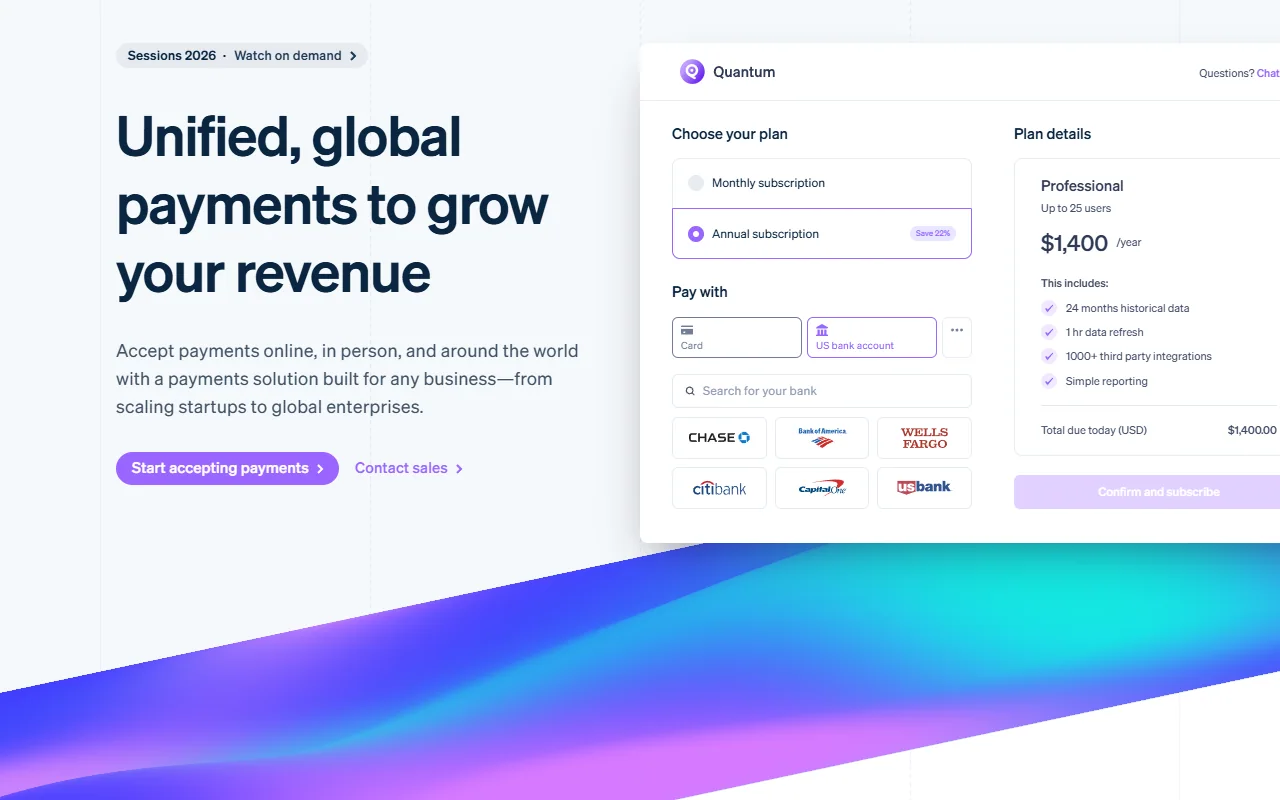
The promise and product demonstration share the first screen.
Source · Stripe
Where message continuity breaks
Many websites write from the company's perspective. The user needs to see their problem, the outcome, and the path.
Supported byusefulness, relevance, and ease of navigation shape landing-page experience
How to write for one decision

Build the page as a conversation: promise, context, mechanism, proof, objections, and CTA.
Implementation checklist
- Open with a specific and credible promise.
- Explain the problem in customer language.
- Show how the solution works.
- Add social proof and decision criteria.
- Close with a clear CTA and follow-up.
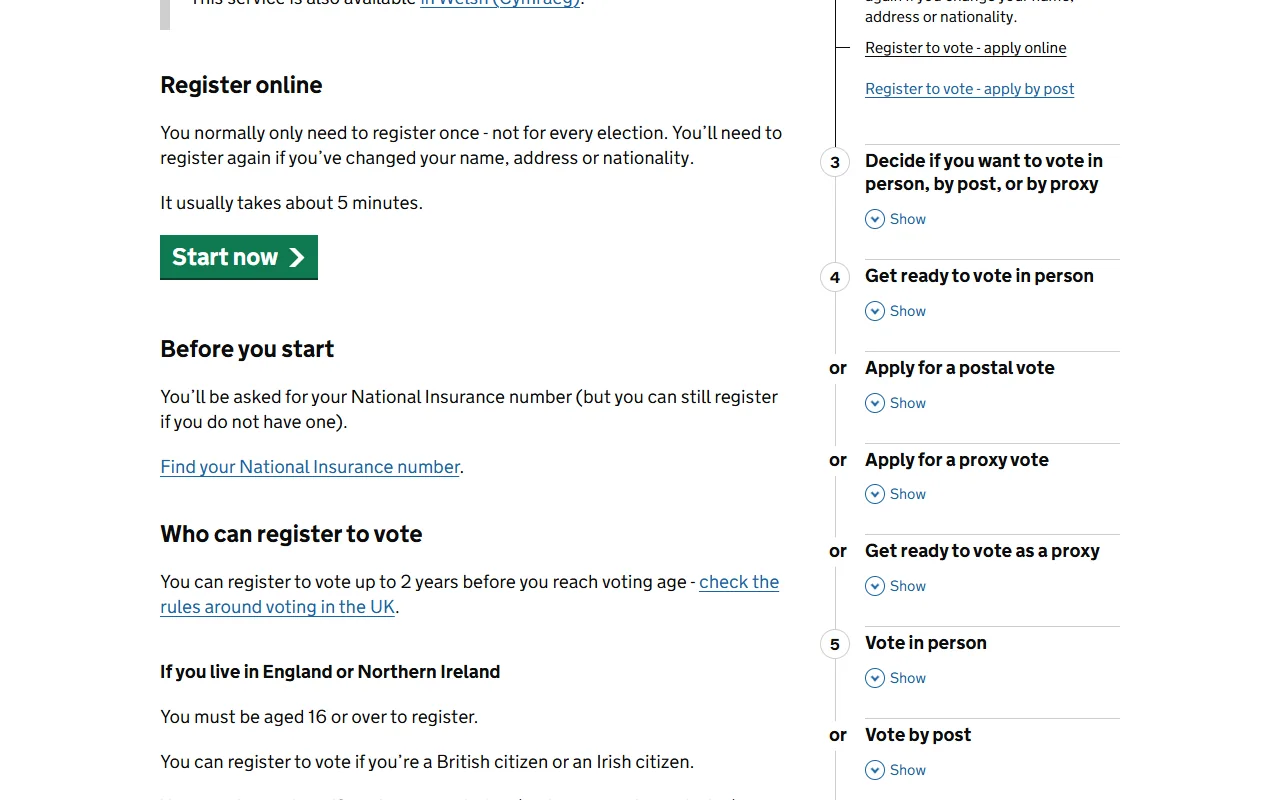
The start button sits beside the estimated time and requirements.
Source · GOV.UK
Supported bywrite the page around a validated user need
Data for improving the copy
Measure scroll, CTA clicks, form submissions, lead quality, repeated questions, and conversions by variant.
The page should continue one specific conversation
A landing page works best when it answers the expectation created by the ad, email, or search. If traffic arrives from a pricing comparison, opening with a corporate story delays the answer. Entry context determines which information should appear first.
Write the draft before designing. Order the promise, mechanism, proof, objections, and action. Then use design to mark hierarchy and reduce effort. Pouring copy into prefabricated modules often creates repeated sections because they fit, not because they help.
Read every claim and ask what evidence it needs. A testimonial can support a claim about service or outcome, but it cannot replace conditions, numbers, or a demonstration. Proof should live near the promise because forcing people to search weakens both.
Edit before publishing
- Remove any sentence that does not change understanding or trust.
- Replace adjectives with facts, examples, or conditions.
- Make sure every CTA describes what happens next.
- Test the copy with someone outside the project.
Supported byquestions for evaluating whether a page provides a complete answer
Quick execution map
| Element | What to review | Quality signal |
|---|---|---|
| Intent | Landing page copy converts when it answers what it is, who it is for, why to trust it, and what to do next. | The answer is clear within seconds. |
| Implementation | Build the page as a conversation: promise, context, mechanism, proof, objections, and CTA. | There is one concrete and assignable action. |
| Measurement | Measure scroll, CTA clicks, form submissions, lead quality, repeated questions, and conversions by variant. | The data should change a decision. A report with no action adds work. |
Frequently asked questions
What does landing page copywriting mean in practice?
Landing page copy converts when it answers what it is, who it is for, why to trust it, and what to do next.
What is a sensible first step for landing page copywriting?
Open with a specific and credible promise. Then continue with this action: Explain the problem in customer language.
Which problem should landing page copywriting prevent?
Many websites write from the company's perspective. The user needs to see their problem, the outcome, and the path.
How do you measure progress with landing page copywriting?
Measure scroll, CTA clicks, form submissions, lead quality, repeated questions, and conversions by variant.