
Brand architecture should simplify buying

Brand architecture defines how the parent brand, lines, products, and services relate so the market understands the offer and the team knows how to name it.
Supported bySBA: write your business plan
When a new name adds cost
Adding names project by project fragments investment, confuses sales, and forces the company to maintain identities that offer no meaningful difference.
How to organize brands, lines, and services

Map every offer by audience, promise, channel, and shared reputation. Separate a brand only when the difference creates enough value to cover its maintenance.
Implementation checklist
- Inventory active brands, products, services, and names.
- Mark the audiences and promises they share.
- Choose the simplest relationship model that works.
- Define naming, endorsement, and navigation rules.
- Plan a transition for customers, SEO, and materials.
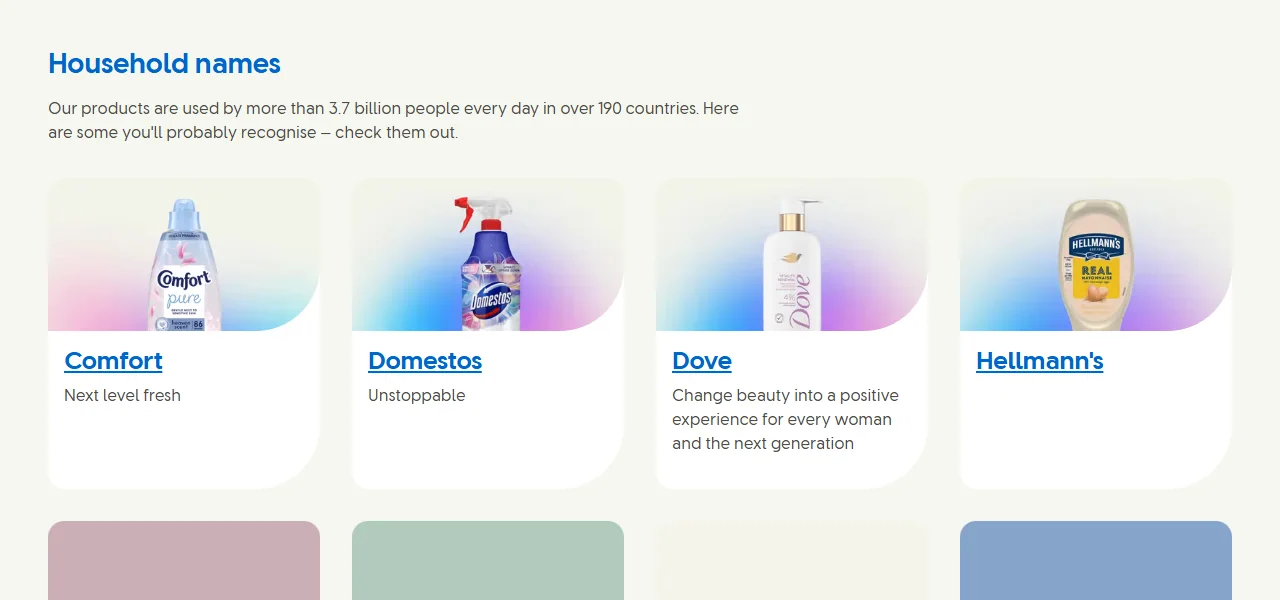
The portfolio shows brands that retain their own names.
Source · Unilever
Supported bySBA: market research and competitive analysis
Signals that the portfolio is understood
Measure portfolio comprehension, time needed to explain the offer, name searches, duplicated costs, and cross-sales.
Use the sales-conversation test
Ask sales to explain the portfolio without slides. If they must clarify which company supports each offer, the structure is adding work for the customer.
A sub-brand earns its place when audience, promise, or reputational risk changes substantially. A new feature alone is not enough.
Document how future offers will be named before launch. Without growth rules, the disorder returns with the next product.
Decisions the map must settle
- Which name leads each sale.
- Which reputation is shared.
- Which offers merge or retire.
- How the next offer will be named.
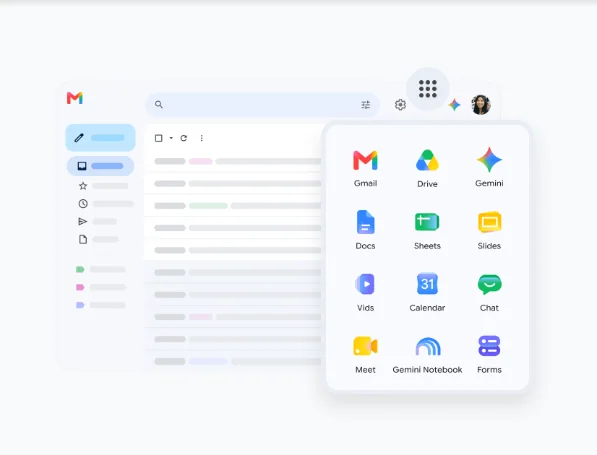
The suite brings several tools together under one family.
Source · Google Workspace
Supported byAtlassian Team Playbook: Project Poster
Quick execution map
| Element | What to review | Quality signal |
|---|---|---|
| Intent | Brand architecture defines how the parent brand, lines, products, and services relate so the market understands the offer and the team knows how to name it. | The answer is clear within seconds. |
| Implementation | Map every offer by audience, promise, channel, and shared reputation. Separate a brand only when the difference creates enough value to cover its maintenance. | There is one concrete and assignable action. |
| Measurement | Measure portfolio comprehension, time needed to explain the offer, name searches, duplicated costs, and cross-sales. | The data should change a decision. A report with no action adds work. |
Frequently asked questions
What does brand architecture mean in practice?
Brand architecture defines how the parent brand, lines, products, and services relate so the market understands the offer and the team knows how to name it.
What is a sensible first step for brand architecture?
Inventory active brands, products, services, and names. Then continue with this action: Mark the audiences and promises they share.
Which problem should brand architecture prevent?
Adding names project by project fragments investment, confuses sales, and forces the company to maintain identities that offer no meaningful difference.
How do you measure progress with brand architecture?
Measure portfolio comprehension, time needed to explain the offer, name searches, duplicated costs, and cross-sales.