Consistency should speed up the work

Brand consistency appears when repeated messages, components, and decisions have clear rules, usable examples, and an owner who updates them.
Supported byMailchimp: writing principles and voice
Why an isolated manual does not govern the brand
A PDF nobody opens cannot prevent drift. Teams need resources inside the tools where they actually produce work.
How to turn rules into tools

Turn the most-used rules into templates, components, and text snippets. Use the guide to explain decisions instead of accumulating pages.
Implementation checklist
- Audit visible inconsistencies and their cost.
- Define the elements that should never vary.
- Create templates and components for frequent work.
- Assign ownership, permissions, and an exception process.
- Review the system quarterly with real cases.

Publishing usable assets reduces differing interpretations.
Source · Mailchimp
Supported byAtlassian Team Playbook: Project Poster
Signals of adoption and exceptions
Measure production time, brand errors, help requests, template use, and corrections after publication.
Consistency without brand policing
Useful consistency speeds decisions and recognition; it does not make every asset identical. Define what must remain stable and what may adapt.
Turn guidelines into accessible components, examples, and templates. A PDF nobody opens governs nothing.
Review recurring exceptions. If the team breaks a rule every week, the rule may be ignoring a real need.
Parts of the system
- Non-negotiable principles.
- A current asset library.
- Templates for frequent tasks.
- An owner for questions and changes.
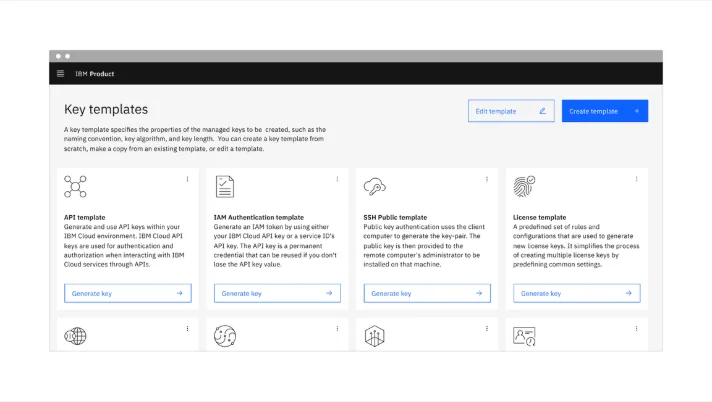
Component examples turn rules into repeatable decisions.
Source · IBM Carbon
Supported byStanford: web credibility guidelines
Quick execution map
| Element | What to review | Quality signal |
|---|---|---|
| Intent | Brand consistency appears when repeated messages, components, and decisions have clear rules, usable examples, and an owner who updates them. | The answer is clear within seconds. |
| Implementation | Turn the most-used rules into templates, components, and text snippets. Use the guide to explain decisions instead of accumulating pages. | There is one concrete and assignable action. |
| Measurement | Measure production time, brand errors, help requests, template use, and corrections after publication. | The data should change a decision. A report with no action adds work. |
Frequently asked questions
What does brand consistency mean in practice?
Brand consistency appears when repeated messages, components, and decisions have clear rules, usable examples, and an owner who updates them.
What is a sensible first step for brand consistency?
Audit visible inconsistencies and their cost. Then continue with this action: Define the elements that should never vary.
Which problem should brand consistency prevent?
A PDF nobody opens cannot prevent drift. Teams need resources inside the tools where they actually produce work.
How do you measure progress with brand consistency?
Measure production time, brand errors, help requests, template use, and corrections after publication.