
The brief should turn strategy into criteria

A visual identity brief explains the business problem, audience, positioning, real applications, and criteria used to evaluate the design.
Supported byGOV.UK: defining user needs
Why asking for something modern gives no direction
Asking for something modern or eye-catching does not guide decisions. The designer needs to know where the brand competes and what it should make easier.
How to document uses, limits, and deliverables

Write the brief with business, marketing, and operations. Include technical constraints and explain why references work instead of requesting a visual copy.
Implementation checklist
- Summarize the business, offer, audience, and project goal.
- Define brand attributes and competitive differences.
- List priority applications and extreme sizes.
- Agree on deliverables, owners, timing, and budget.
- Set evaluation criteria before seeing proposals.
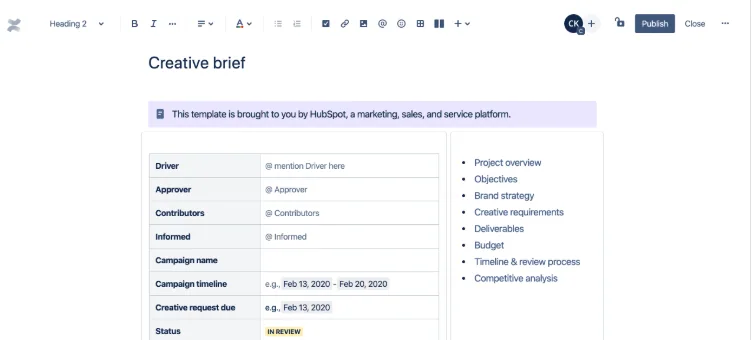
The brief collects criteria and context before proposals are evaluated.
Source · Atlassian
Supported byAtlassian Team Playbook: Project Poster
The evaluation before choosing a proposal
Measure revision rounds, fit to brief, performance in real applications, internal adoption, and post-launch consistency.
Write criteria people can observe
Replace words such as modern with concrete outcomes: readable on a small label, distinct on a shelf, or restrained for technical buyers.
Include difficult applications alongside attractive ones. An identity must survive invoices, uniforms, interfaces, and internal documents.
Agree on the decision maker and criteria before reviewing proposals. Feedback improves when every comment points back to the brief.
Useful brief attachments
- Samples of real use.
- Technical and legal constraints.
- A prioritized deliverable list.
- An agreed evaluation matrix.
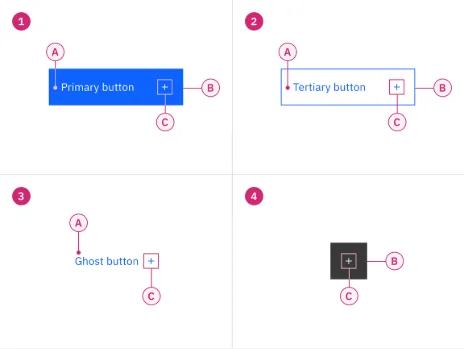
Include small applications and observable constraints in the brief.
Source · IBM Carbon
Supported byW3C: Web Content Accessibility Guidelines 2.2
Quick execution map
| Element | What to review | Quality signal |
|---|---|---|
| Intent | A visual identity brief explains the business problem, audience, positioning, real applications, and criteria used to evaluate the design. | The answer is clear within seconds. |
| Implementation | Write the brief with business, marketing, and operations. Include technical constraints and explain why references work instead of requesting a visual copy. | There is one concrete and assignable action. |
| Measurement | Measure revision rounds, fit to brief, performance in real applications, internal adoption, and post-launch consistency. | The data should change a decision. A report with no action adds work. |
Frequently asked questions
What does visual identity brief mean in practice?
A visual identity brief explains the business problem, audience, positioning, real applications, and criteria used to evaluate the design.
What is a sensible first step for visual identity brief?
Summarize the business, offer, audience, and project goal. Then continue with this action: Define brand attributes and competitive differences.
Which problem should visual identity brief prevent?
Asking for something modern or eye-catching does not guide decisions. The designer needs to know where the brand competes and what it should make easier.
How do you measure progress with visual identity brief?
Measure revision rounds, fit to brief, performance in real applications, internal adoption, and post-launch consistency.