A rebrand needs a proven problem

Rebrand when strategy, audience, category, or reputation has changed and the current brand blocks that story. If execution is the problem, fix the system first.
Supported byGOV.UK: user research
When the logo is not the cause
A redesign without diagnosis spends budget, breaks recognition, and leaves the cause of confusion untouched.
How to choose the smallest change that works

Separate four levels of change: adjustment, visual refresh, repositioning, and full change. Choose the smallest level that can solve the proven gap.
Implementation checklist
- Name the problem using customer and business evidence.
- Identify assets that still hold value.
- Define the minimum scope of change.
- Test the new direction with real audiences.
- Plan migration, communication, and post-launch measurement.
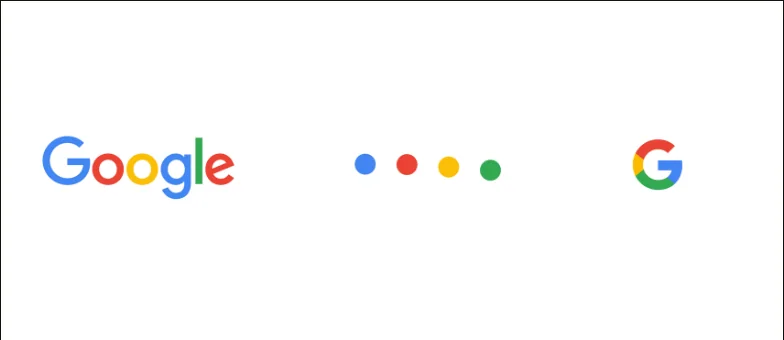
A change needs to work as a system across contexts.
Source · Google Design
Supported bySBA: market research and competitive analysis
What to compare before and after
Compare awareness, consideration, conversion, branded search, sentiment, and comprehension before and after the change.
Diagnose before redesigning
Compare what changed in the business with what the market still recognizes. Keeping a familiar asset can be more valuable than unveiling a pristine new one.
If the promise is still right and inconsistency is the problem, you need brand governance, not a rebrand. That distinction prevents months of cosmetic work.
When change is warranted, record a baseline for branded search, conversion, and recognition. Without it, internal excitement cannot be separated from results.
Signals that justify the change
- Strategy has outgrown the brand.
- The primary audience changed.
- Confusion is supported by evidence.
- The full migration is funded.
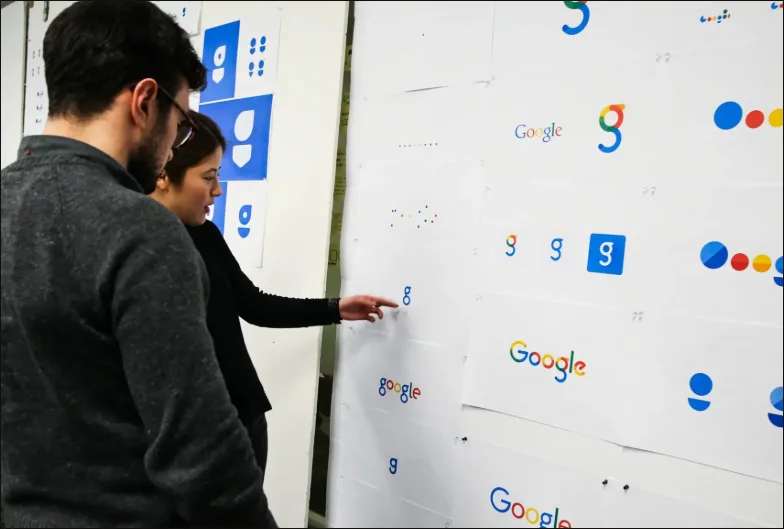
Compare applications and recognizable assets before finalizing a redesign.
Source · Google Design
Supported byStanford: web credibility guidelines
Quick execution map
| Element | What to review | Quality signal |
|---|---|---|
| Intent | Rebrand when strategy, audience, category, or reputation has changed and the current brand blocks that story. If execution is the problem, fix the system first. | The answer is clear within seconds. |
| Implementation | Separate four levels of change: adjustment, visual refresh, repositioning, and full change. Choose the smallest level that can solve the proven gap. | There is one concrete and assignable action. |
| Measurement | Compare awareness, consideration, conversion, branded search, sentiment, and comprehension before and after the change. | The data should change a decision. A report with no action adds work. |
Frequently asked questions
What does when to rebrand mean in practice?
Rebrand when strategy, audience, category, or reputation has changed and the current brand blocks that story. If execution is the problem, fix the system first.
What is a sensible first step for when to rebrand?
Name the problem using customer and business evidence. Then continue with this action: Identify assets that still hold value.
Which problem should when to rebrand prevent?
A redesign without diagnosis spends budget, breaks recognition, and leaves the cause of confusion untouched.
How do you measure progress with when to rebrand?
Compare awareness, consideration, conversion, branded search, sentiment, and comprehension before and after the change.