
A name has to work outside the presentation

Choose a name using criteria set before ideation. It should fit the positioning, stand apart, be easy to pronounce, and pass legal and digital review.
Supported byUSPTO: strong trademarks
The risk of choosing by taste

Choosing by personal taste produces names that are hard to explain or too close to existing brands. Changing one later costs money and trust.
How to generate, filter, and review candidates
Write the verbal territory, generate many routes, and filter them in separate rounds. A qualified professional should close the legal search because Google is not a trademark clearance.
Implementation checklist
- Define audience, promise, personality, and constraints.
- Create descriptive, evocative, invented, and compound names.
- Remove pronunciation problems and unwanted associations.
- Review search, domains, social handles, and relevant classes.
- Test finalists without explaining what they should mean.
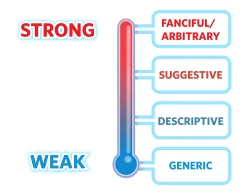
Name distinctiveness matters before designing its identity.
Source · USPTO
Supported bySBA: market research and competitive analysis
Tests before investing in identity
Evaluate unaided recall, correct pronunciation, spontaneous associations, differentiation, and legal and digital availability.
Test the name in real situations
Say each finalist over the phone, write it from memory, and place it in a sales sentence. Those tests expose friction that a presentation hides.
Check meaning and pronunciation with people in every market you plan to serve. Internal enthusiasm is not a substitute for that check.
Domain and social searches are preliminary. Before investing in identity, commission professional trademark clearance for the relevant classes and territories.
Final filter for each candidate
- It is understood after one hearing.
- It does not require constant spelling.
- Its associations fit the strategy.
- It is ready for legal review.
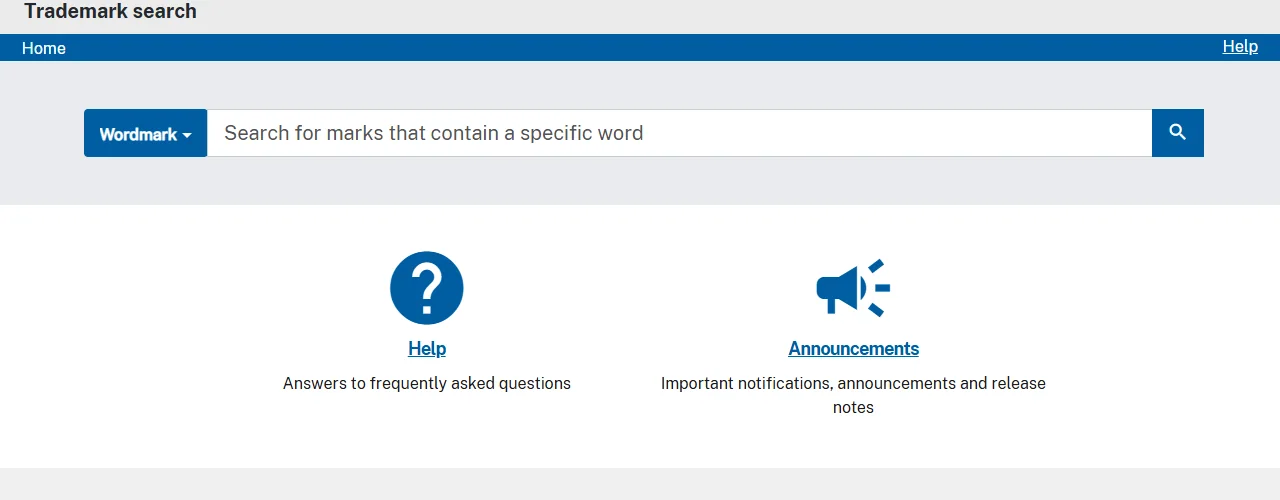
Preliminary review starts by searching existing names.
Source · USPTO
Supported byGoogle Search Central: helpful, people-first content
Quick execution map
| Element | What to review | Quality signal |
|---|---|---|
| Intent | Choose a name using criteria set before ideation. It should fit the positioning, stand apart, be easy to pronounce, and pass legal and digital review. | The answer is clear within seconds. |
| Implementation | Write the verbal territory, generate many routes, and filter them in separate rounds. A qualified professional should close the legal search because Google is not a trademark clearance. | There is one concrete and assignable action. |
| Measurement | Evaluate unaided recall, correct pronunciation, spontaneous associations, differentiation, and legal and digital availability. | The data should change a decision. A report with no action adds work. |
Frequently asked questions
What does how to choose a brand name mean in practice?
Choose a name using criteria set before ideation. It should fit the positioning, stand apart, be easy to pronounce, and pass legal and digital review.
What is a sensible first step for how to choose a brand name?
Define audience, promise, personality, and constraints. Then continue with this action: Create descriptive, evocative, invented, and compound names.
Which problem should how to choose a brand name prevent?
Choosing by personal taste produces names that are hard to explain or too close to existing brands. Changing one later costs money and trust.
How do you measure progress with how to choose a brand name?
Evaluate unaided recall, correct pronunciation, spontaneous associations, differentiation, and legal and digital availability.